

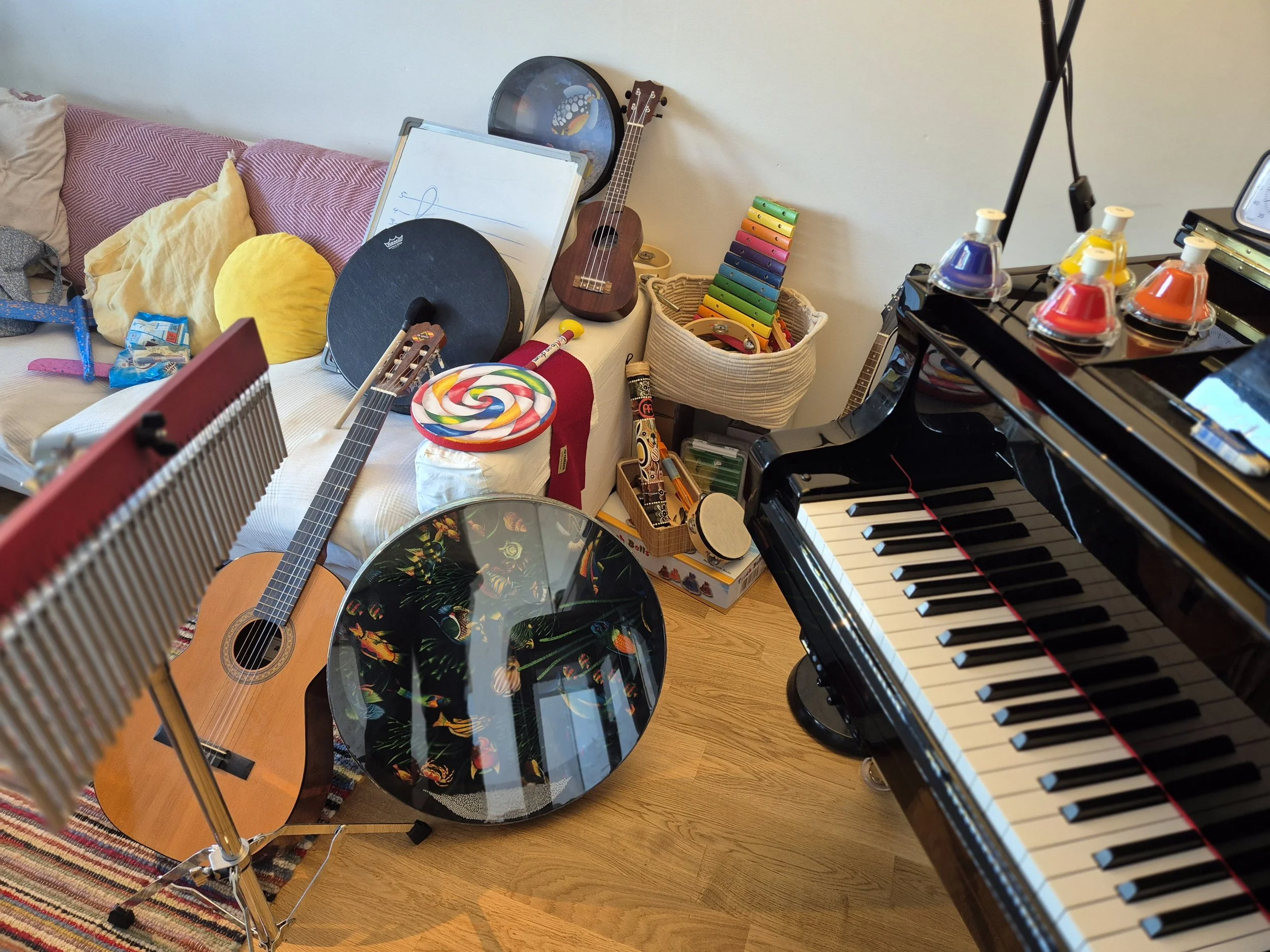
Music Therapy
Anyone can benefit from music therapy
Vi i Musik can help people on the autistic spectrum to communicate their inner experience
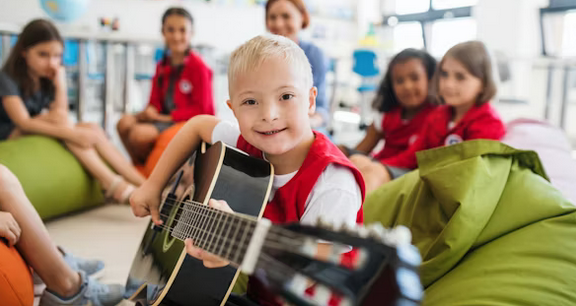
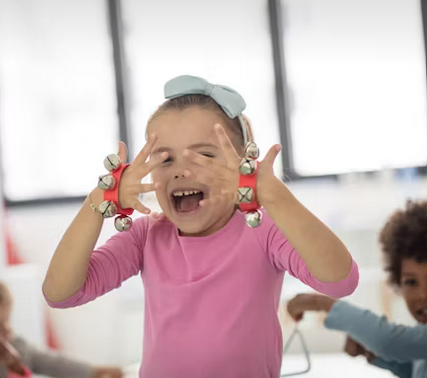
The service helps to reduce pain, lower anxiety, and stabilize vital signs in hospitalized children.
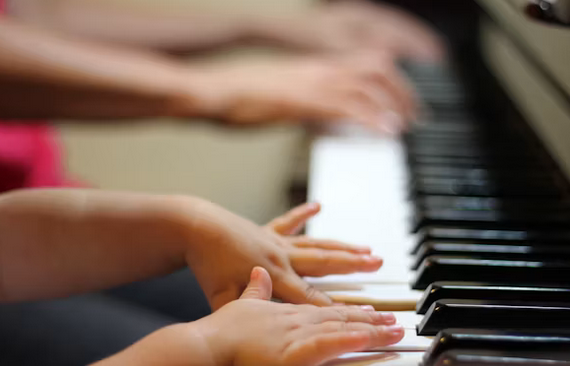
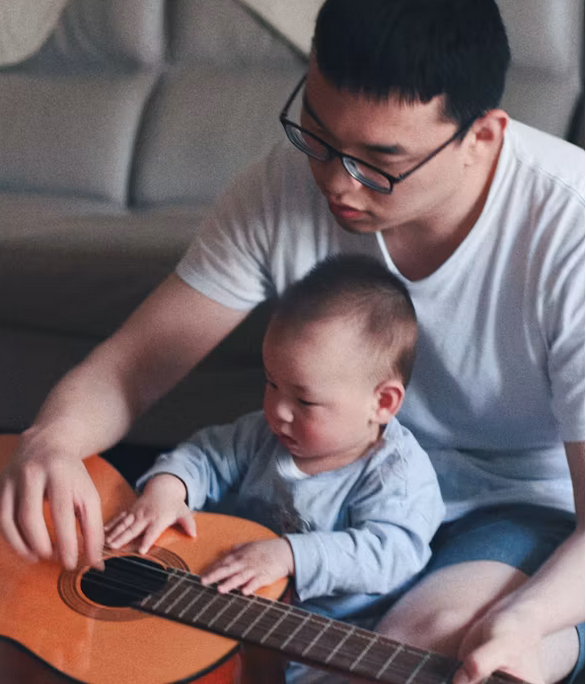
people with dementia to feel less anxious or to provide someone relief from trauma and depression.
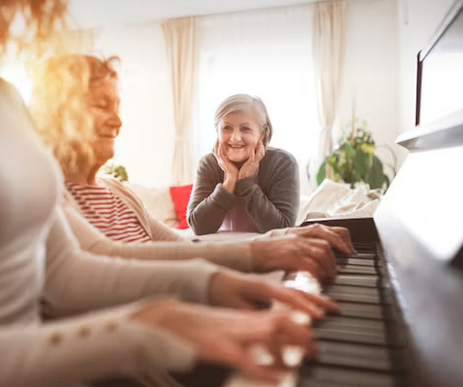
It can help refugees and displaced individuals process trauma, express emotions without words, and rebuild social connections or enable someone who has had a stroke to communicate their feelings
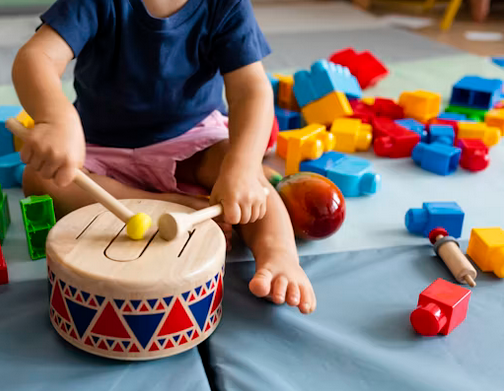
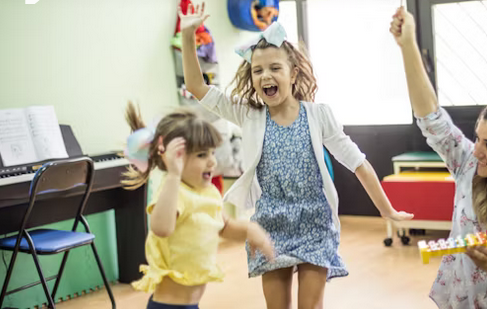
To find out how I can help you or a loved one please get in touch.
Definition
Is it Music or Therapy?
It is both. The core of the work is the belief that everyone has the capacity to respond to music, regardless of illness, disability, or social isolation. Therapists use collaborative, active music-making (improvising, writing, or playing songs) as a universal language for communication and connection, especially where words fail.
Both forms leverage music's power to affect brain chemistry and emotional regulation, but music therapy provides a structured, therapeutic, and evidence-based approach.
You can consult the following links on Music Therapy:

Vi i Musik Specialist Service
In addition to traditional Music Therapy, I have additional training and specialisms:
Neurologic Music Therapy
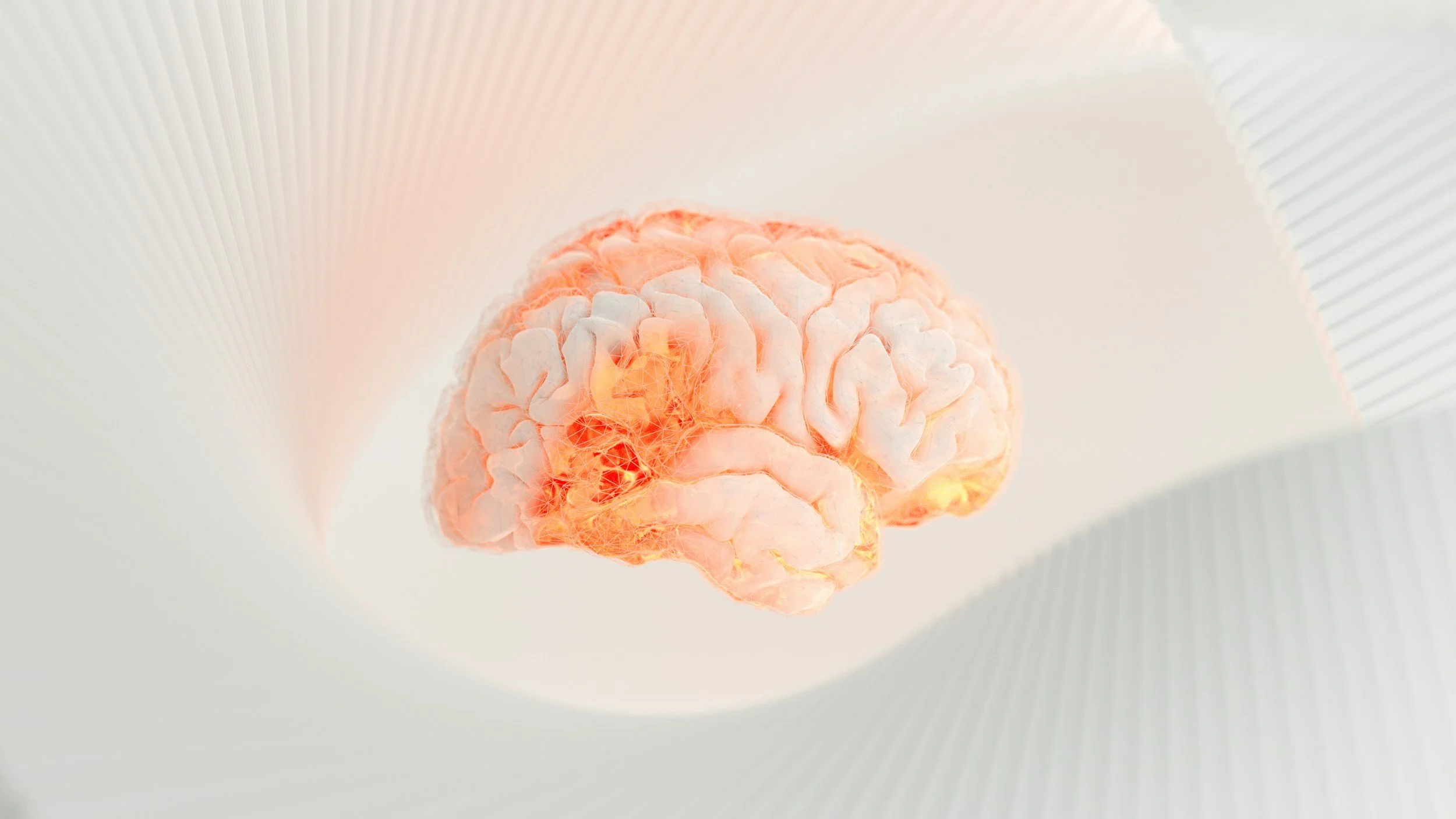
Neurologic Music Therapy® (NMT) is an evidence-based treatment system that uses standardised, research-based techniques to treat the brain using specific elements of music such as rhythm, melody, or tempo.
The Neurologic Music Therapist is a stimulus specialist who is trained in the neuroscience of music perception, music production/creation, and music cognition.
The therapist uses standardised techniques to address non-musical goals, for example:
• Speech
• Physical movement
• Improved cognition.
The therapist focuses on the music as therapy, emphasising specific elements of music in the construction of therapeutic exercises, to optimise function and/or reroute neuropathways to achieve improved functionality.
Research has shown that rhythm and music are able to prime motor, cognition, and speech and do so at a subconscious level. Music can be used to help build new connections in the brain (called neuropathways) thus improving brain function and allowing one to lead a more productive and functional life
Information Sheets
These NMT™ Information Sheets were created by the Academy’s Advisory Council as a resource to be shared with clients, caregivers, hospital directors, allied health-care professionals, etc. This list of resources will continue to be updated with more communities and languages.
Individual Session
Ideal for clients who thrive in a one-to-one setting. Sessions provide a private and confidential space for addressing specific cognitive, emotional, and physical needs.
Group Session
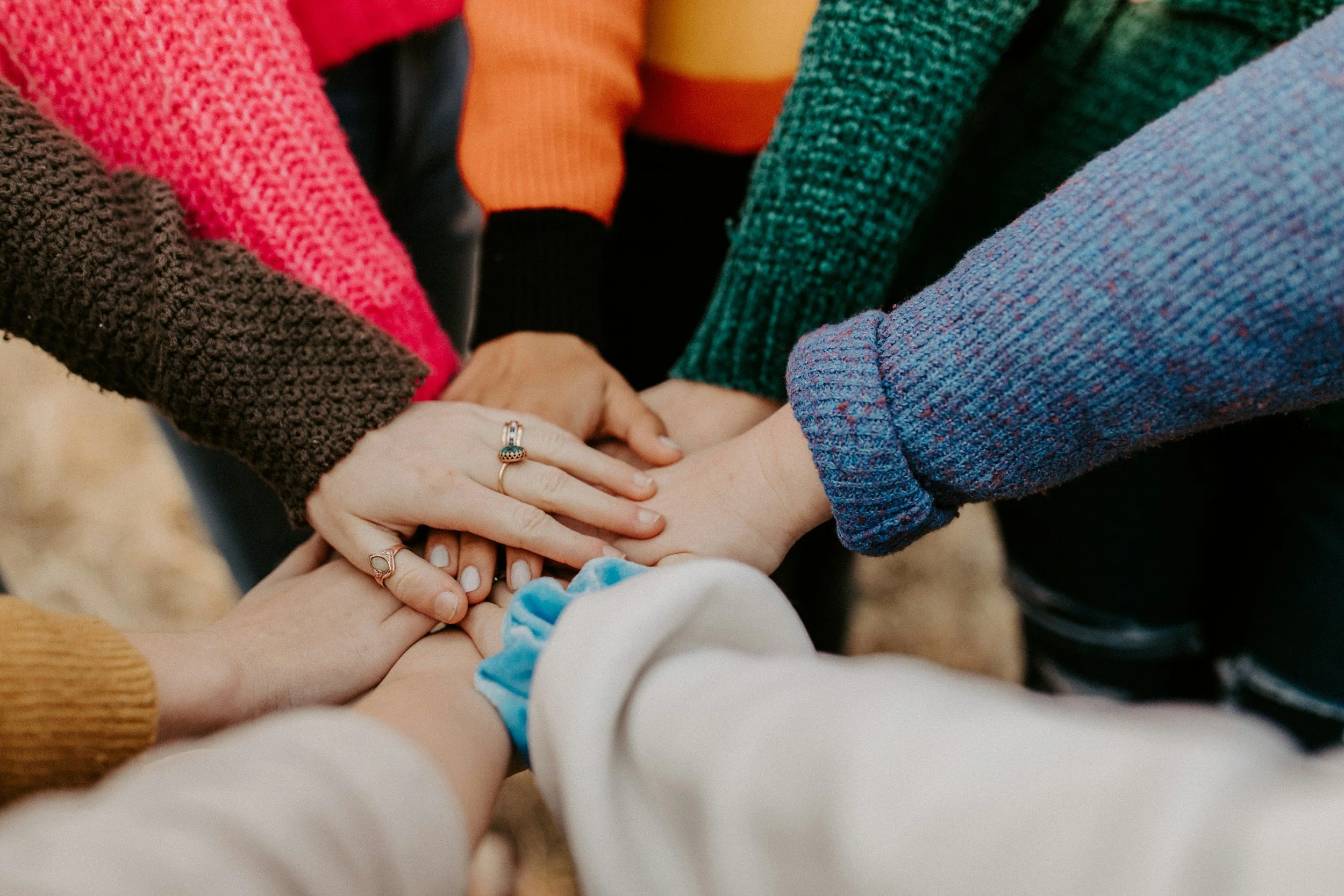
Group sessions foster a sense of community, encouraging participants to explore the therapeutic benefits of music in a shared space.